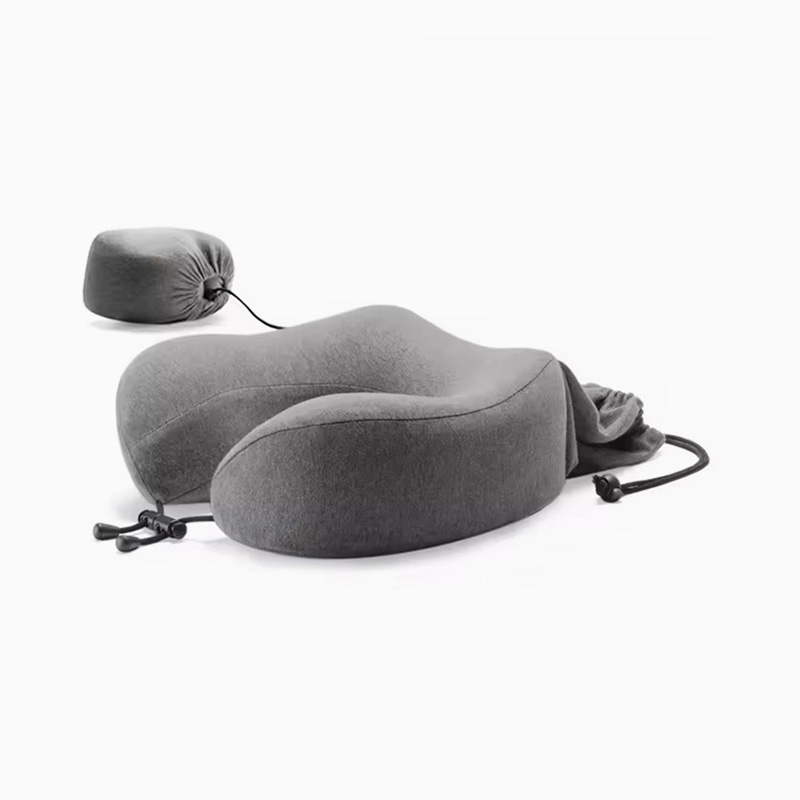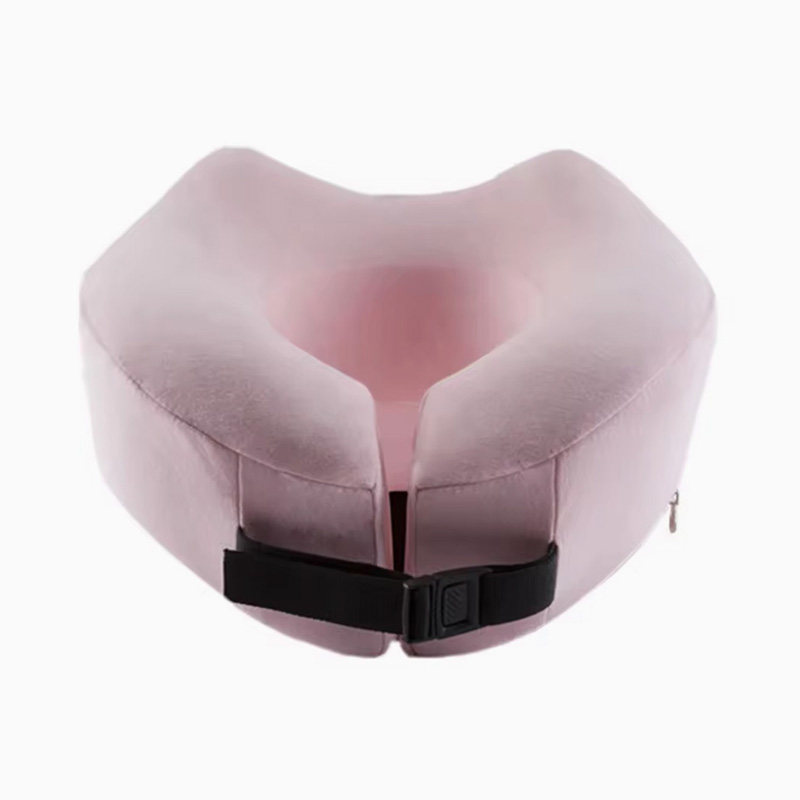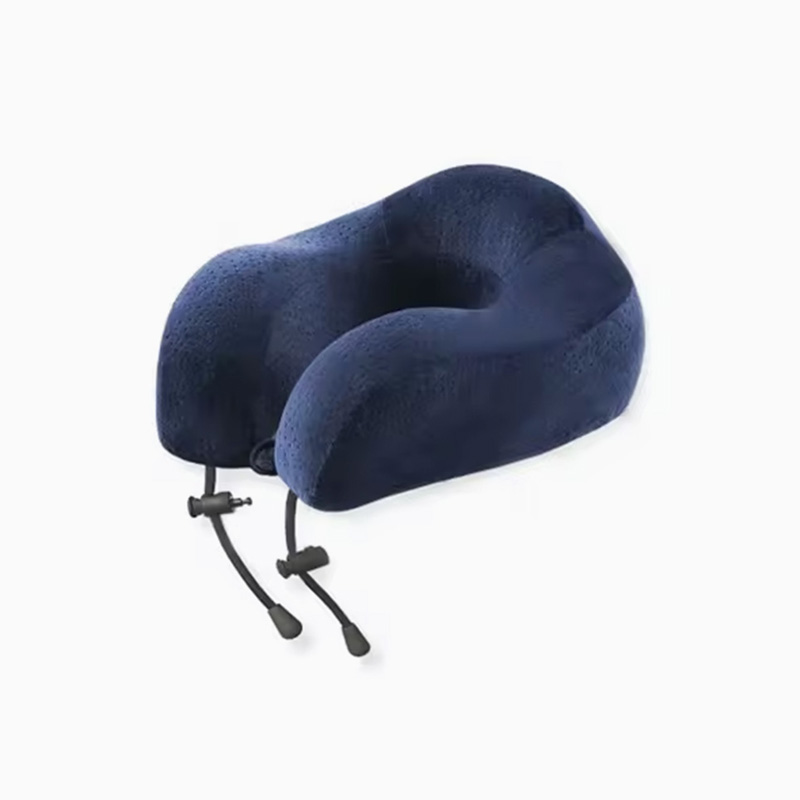
Why Is Memory Foam Seat Cushion So Effective for Long Sitting Comfort
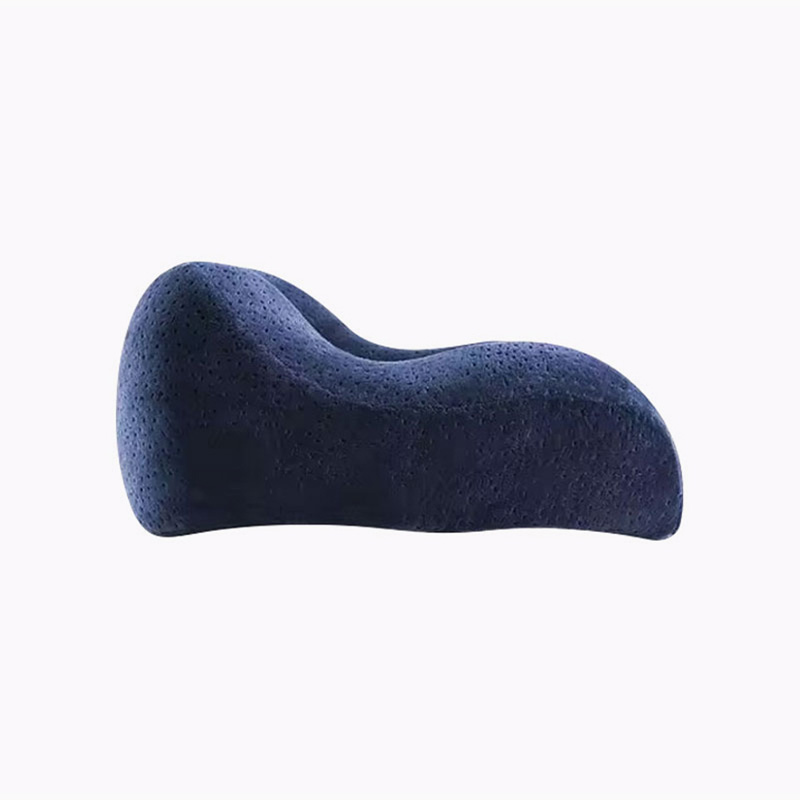
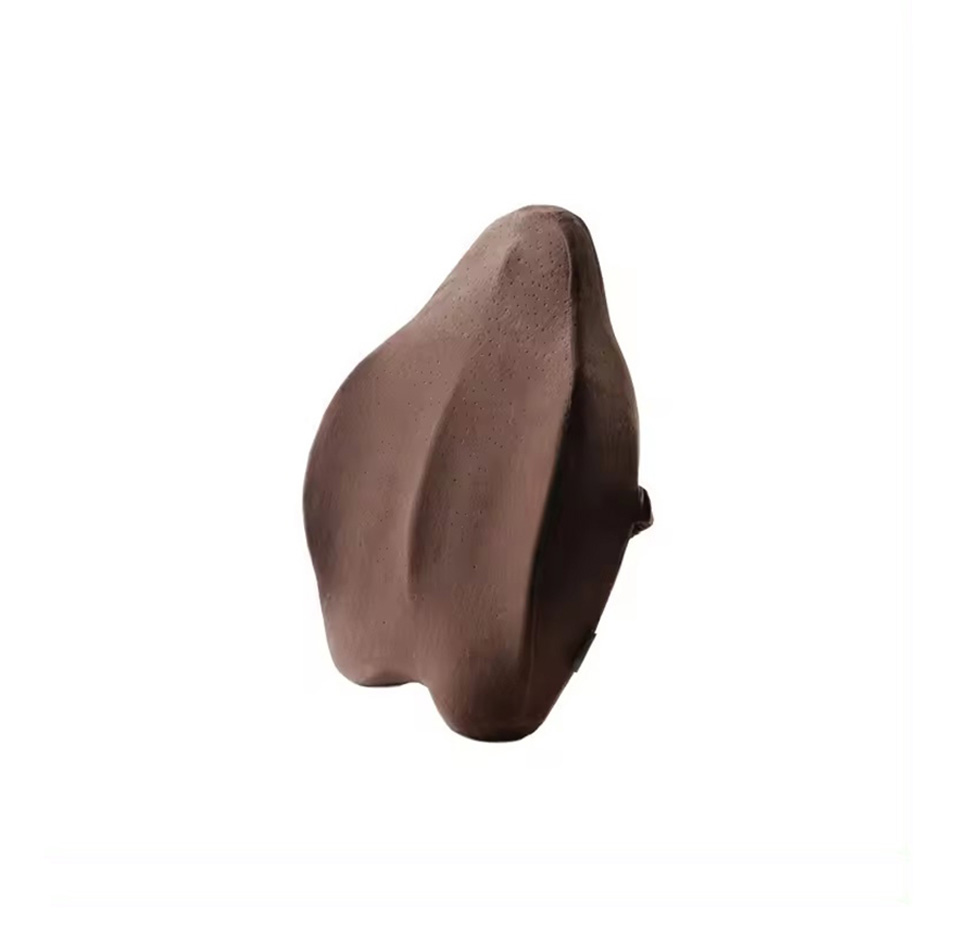
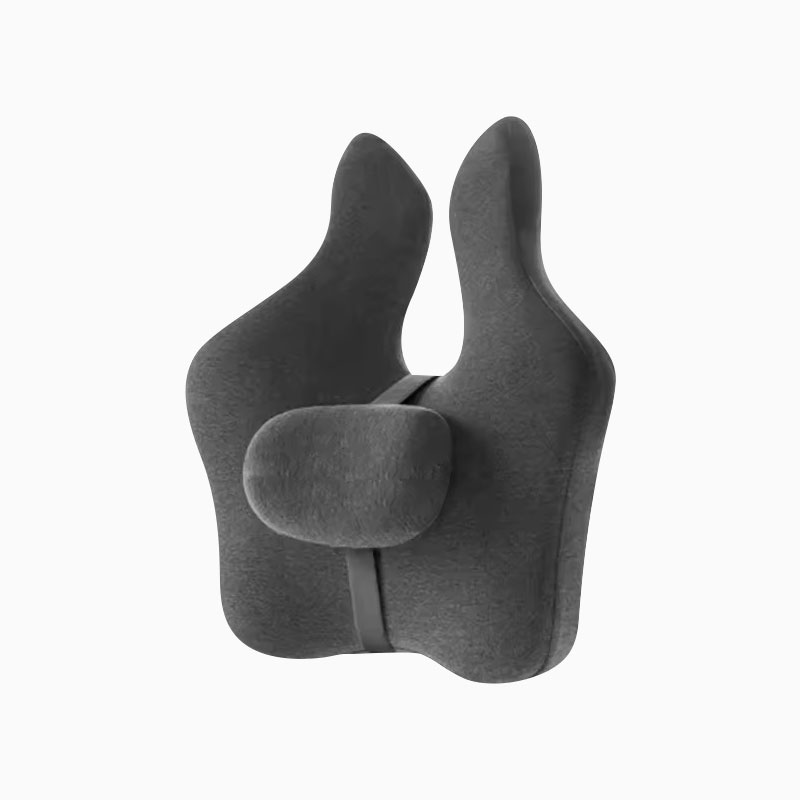
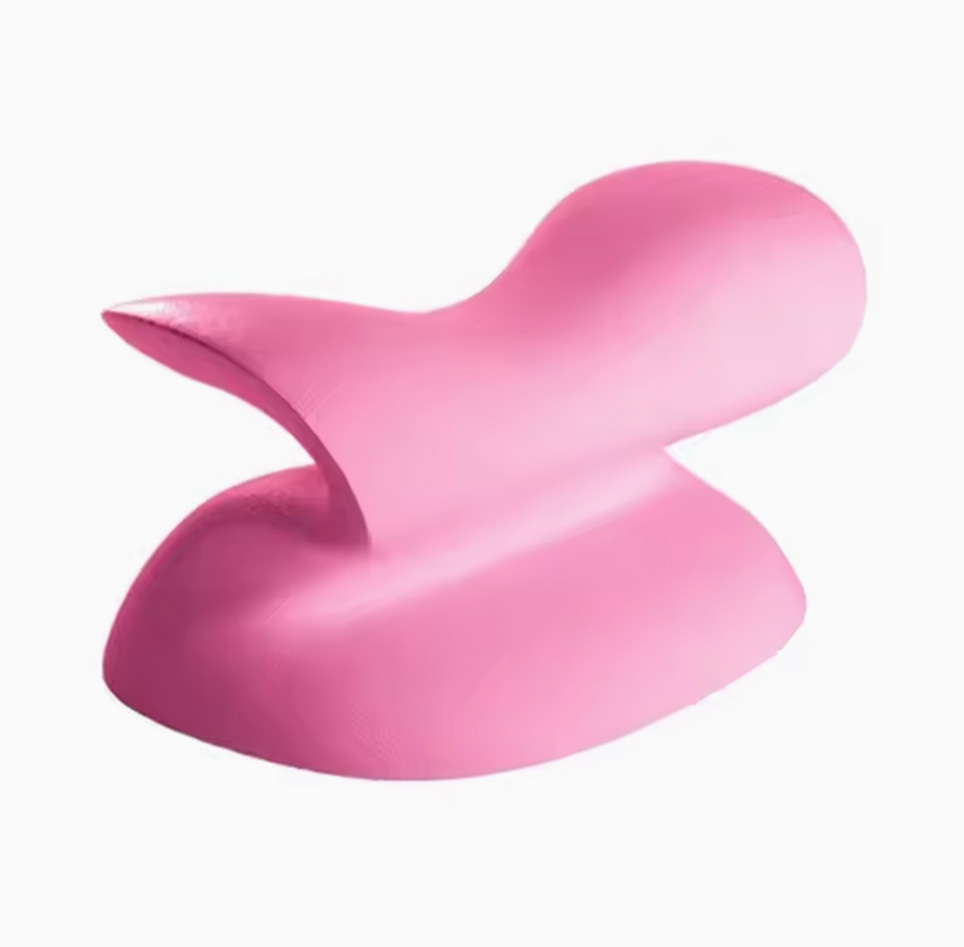
In modern sitting environments, memory foam seat cushion has become a widely used material solution for improving seating comfort and pressure distribution. Related applications such as everlasting comfort seat cushion, foam seat cushion, memory foam chair cushion, memory foam car seat cushion, foam for chair cushions, and memory foam cushion for car are all based on viscoelastic polyurethane foam technology with slow rebound characteristics and controlled density structures.
memory foam seat cushion is typically produced using high-density slow-recovery foam with an open-cell microstructure. When pressure is applied, air inside the foam cells is gradually displaced, allowing the material to conform to body contours while distributing load evenly. This process reduces localized pressure points, especially around the ischial tuberosity area during prolonged sitting.
In the manufacturing of foam seat cushion, density plays a critical role in determining performance characteristics. Different density levels influence support, durability, and comfort balance.
| Low density | 0.03–0.04 g/cm³ | Fast rebound, basic support |
| Medium density | 0.05–0.06 g/cm³ | Balanced comfort and support |
| High density | 0.06–0.08 g/cm³ | Strong support, high durability |
High-density foam seat cushion is commonly used in applications requiring long-term load bearing performance, especially in memory foam chair cushion systems for office and workstation seating environments.
The design of memory foam chair cushion focuses on ergonomic adaptation. The foam gradually adjusts to body temperature and pressure, allowing it to mold to natural sitting posture. This enhances stability and reduces fatigue accumulation during extended sitting periods.
In foam for chair cushions applications, several structural engineering approaches are commonly used to improve performance.
Wave-cut surface structures improve airflow circulation and reduce heat buildup. U-shaped tailbone relief designs reduce direct pressure on the coccyx area. Multi-layer composite structures combine soft upper layers with supportive base layers to extend durability and improve long-term comfort.
memory foam car seat cushion is designed to handle dynamic vibration environments. During driving, road vibrations and continuous motion require cushioning systems that can absorb shock while maintaining posture stability. memory foam cushion for car reduces vibration transmission to the lower back and hip region by converting kinetic energy into slow-recovery deformation.
Key performance parameters of memory foam car seat cushion include the following:
| Compression recovery time | 3–8 seconds | Controls rebound speed |
| Hardness (ILD) | 10–20 | Balance of softness and support |
| Thickness | 3–8 cm | Affects shock absorption level |
| Air permeability | ≥85% | Improves thermal comfort |
everlasting comfort seat cushion emphasizes long-term structural stability. Compared with standard foam seat cushion products, it focuses on reducing permanent deformation under continuous pressure. High-density viscoelastic foam maintains consistent support distribution over extended usage cycles.
The difference between foam seat cushion and memory foam cushion for car is mainly reflected in mechanical response and ergonomic adaptation.
| Response speed | foam seat cushion | Fast |
| Response speed | memory foam cushion for car | Slow |
| Pressure distribution | foam seat cushion | Moderate |
| Pressure distribution | memory foam cushion for car | Uniform |
| Shock absorption | foam seat cushion | Medium |
| Shock absorption | memory foam cushion for car | High |
In foam for chair cushions engineering design, layered structures are commonly implemented. The upper layer provides soft surface comfort, while the lower layer ensures structural support. This combination allows memory foam chair cushion systems to maintain ergonomic balance under varying load conditions.
Improved pore uniformity enhances airflow circulation, reducing heat accumulation during long sitting sessions. This helps maintain stable performance of memory foam seat cushion materials across different temperature environments and usage durations.
 predchádzajúci príspevok